Influencer marketing is booming, but managing it manually can be overwhelming. With millions of creators, varying audience segments, and complex metrics, brands need smarter ways to identify, vet, and collaborate with influencers.
AI tools simplify this process. They quickly find the right creators, predict campaign performance, detect fake followers, and automate reporting, saving time while boosting ROI.
In this article, we’ll explore the top AI tools that make influencer marketing more precise, efficient, and impactful.
Why AI Matters in Influencer Marketing?
- Data Overload: Millions of influencers exist across platforms like Instagram, TikTok, YouTube, and LinkedIn. AI can process large data sets quickly to find ideal matches.
- Predictive Analytics: AI tools can predict engagement rates, audience overlap, and campaign outcomes before you invest.
- Fraud Detection: AI systems can flag fake followers, bot-driven engagement, or suspicious activity.
- Content Optimization: AI can recommend the best post types, hashtags, and publishing times.
- Scalability: Automate repetitive tasks like outreach, negotiation templates, or reporting dashboards.
Top AI Tools for Influencer Marketing
1. Influencity
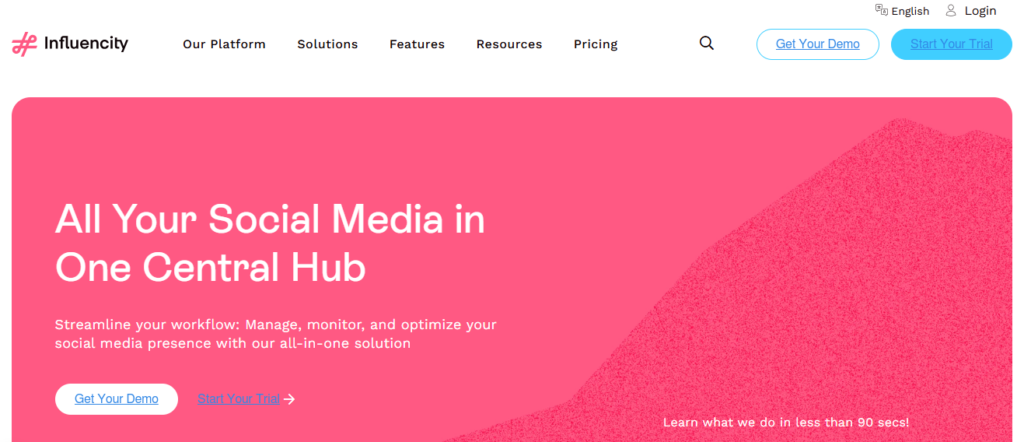
Influencity is a comprehensive AI-powered influencer marketing platform designed for brands and agencies. It helps you search, analyze, and manage influencer campaigns end-to-end.
Key Features:
- Massive Database: Access to 170+ million influencer profiles across multiple platforms.
- Audience Demographics: Detailed insights into the age, gender, location, and interests of followers.
- Campaign Management: Centralized dashboard to manage multiple campaigns at once.
- Fraud Detection: Built-in algorithms to detect fake followers and suspicious engagement.
Pricing: Offers tiered plans suitable for small businesses up to large enterprises.
Best For: Mid-to-large brands seeking comprehensive influencer management with advanced analytics.
2. AspireIQ (Aspire)
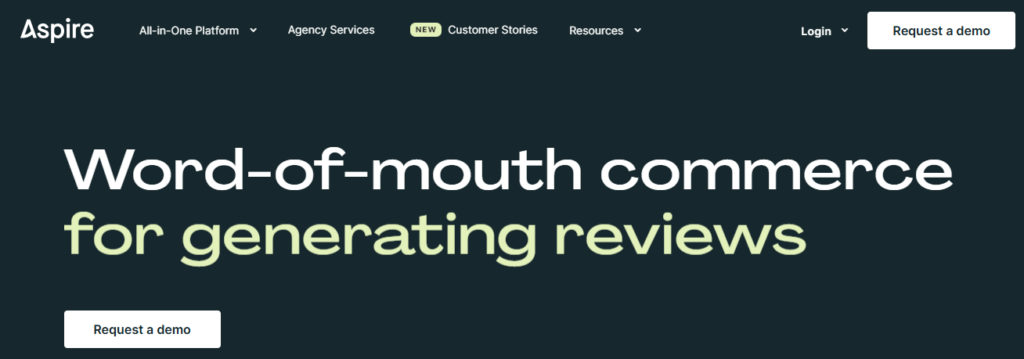
Overview: AspireIQ automates influencer discovery and collaboration, focusing on building long-term relationships with creators.
Key Features:
- AI Matching Engine: Finds influencers who perfectly fit your brand values and target demographics.
- Automated Outreach: Pre-built templates to streamline initial communication with influencers.
- Content Management: Central hub to review and approve influencer content before it goes live.
- ROI Analytics: Track campaign performance and ROI metrics at a glance.
Pricing: Subscription model with customizable plans.
Best For: E-commerce and DTC brands wanting scalable influencer programs and ongoing partnerships.
3. Upfluence
Overview: Upfluence stands out for its ability to uncover influencers from your existing customer base, turning loyal customers into ambassadors.
Key Features:
- Customer Database Matching: Sync your e-commerce data to identify potential influencer customers.
- Real-Time Tracking: Monitor posts, sales, and conversions tied to each influencer.
- E-Commerce Integrations: Direct integration with Shopify, WooCommerce, and other platforms.
- AI Scoring: Prioritize influencers based on engagement potential and authenticity.
Pricing: Tiered pricing with enterprise options.
Best For: Brands that want to convert existing customers into brand ambassadors while managing campaigns at scale.
4. Traackr
Overview: Traackr is a pioneer in influencer marketing with a focus on deep audience analytics and budget forecasting.
Key Features:
- Audience Credibility Scoring: AI algorithms assign credibility scores to influencers.
- Competitive Benchmarking: See how your influencer campaigns stack up against competitors.
- Budget Forecasting: Predict how much budget to allocate to each influencer for maximum ROI.
- Global Database: Access influencers across 50+ countries and multiple platforms.
Pricing: Custom enterprise pricing.
Best For: Enterprises and agencies that need global influencer management and deep analytics.
5. Heepsy
Overview: Heepsy offers an easy-to-use platform for small to medium businesses looking for Instagram, YouTube, and TikTok influencers.
Key Features:
- Advanced Filters: Search by location, niche, engagement rate, and more.
- Fraud Detection Scores: Quickly assess influencer authenticity.
- Engagement Analytics: Detailed breakdown of audience interactions.
- Affordable Plans: Entry-level pricing makes it accessible to small businesses.
Pricing: Monthly plans starting at budget-friendly rates.
Best For: Small businesses or agencies testing influencer marketing for the first time.
6. Modash
Overview: Modash prides itself on finding every creator on Earth, including nano-influencers often overlooked by big databases.
Key Features:
- Global Search: Search influencers by platform, location, demographics, and psychographics.
- Authenticity Checks: Detect fake or inactive followers.
- No Sign-Up Needed: Explore the database instantly before committing.
- Audience Overlap Analysis: Ensure your chosen influencers reach distinct audiences.
Pricing: Flexible plans for startups and enterprises alike.
Best For: Brands focusing on micro- and nano-influencer campaigns to maximize authenticity.
7. Klear
Overview: Klear offers an end-to-end influencer marketing suite with AI-driven analytics.
Key Features:
- Influencer CRM: Manage influencer relationships like you would sales leads.
- Campaign Measurement: Track performance metrics across channels.
- Competitive Intelligence: Benchmark campaigns against competitors.
- Audience Insights: Understand exactly who you’re reaching.
Pricing: Subscription-based, scalable for agencies.
Best For: Agencies managing multiple clients and campaigns.
8. Dovetale
Overview: Owned by Shopify, Dovetale integrates directly with e-commerce stores to streamline influencer partnerships.
Key Features:
- Shopify Integration: Recruit, manage, and pay influencers from your Shopify dashboard.
- Affiliate Tracking: Track sales driven by each influencer in real time.
- Automated Payouts: Simplify influencer compensation.
- Content Management: Organize influencer submissions for approval.
Pricing: Free and paid plans tailored for Shopify merchants.
Best For: Shopify store owners who want seamless influencer management.
9. Julius
Overview: Julius offers a curated and vetted influencer database supported by AI analytics.
Key Features:
- Comprehensive Profiles: Includes influencer contact info, past campaigns, and audience stats.
- Fraud Detection: Built-in authenticity verification.
- Workflow Tools: Streamlined outreach, negotiation, and reporting.
- Audience Demographics: Data-driven insights into audience behavior.
Pricing: Premium pricing for curated quality.
Best For: Mid-sized agencies or brands needing vetted influencer lists.
10. HypeAuditor
Overview: Originally a fraud detection tool, HypeAuditor has grown into a full influencer marketing platform.
Key Features:
- AI Authenticity Scoring: Detailed scores on influencer credibility and audience quality.
- Competitor Tracking: Benchmark against rival brands.
- Performance Measurement: Track conversions, impressions, and engagement.
- Influencer Discovery: Access to millions of influencer profiles globally.
Pricing: Flexible pricing with pay-as-you-go options.
Best For: Brands that prioritize authenticity and detailed analytics above all.
AI-Powered Features to Look for When Selecting a Tool
- Database Size and Diversity: More profiles mean a greater chance of finding niche influencers.
- Audience Authenticity: Look for advanced fraud detection algorithms.
- Predictive Analytics: Tools should forecast campaign performance based on historical data.
- Ease of Use: Dashboards, automation, and integrations reduce the learning curve.
- Pricing Flexibility: Some tools cater to enterprises; others are affordable for small businesses.
Case Study: Using AI Tools to Run a Successful Influencer Campaign
Let’s say a mid-sized e-commerce brand wants to launch a new line of eco-friendly skincare products. Here’s how AI tools can streamline their influencer marketing campaign:
- Discovery: Use Modash to find 500 micro-influencers passionate about sustainability.
- Audience Analysis: Verify authenticity and demographic match with HypeAuditor.
- Outreach Automation: Use AspireIQ to send personalized collaboration offers.
- Campaign Management: Track posts, engagement, and sales with Upfluence.
- Optimization: Adjust spend mid-campaign based on AI-predicted ROI.
- Reporting: Use Traackr for comprehensive post-campaign analytics and budget forecasting.
This integrated approach reduces manual effort, improves ROI, and ensures authenticity.
Core Capabilities of AI Influencer Marketing Tools
AI tools for influencer marketing typically offer one or more of these features:
- Influencer Discovery: Advanced algorithms to identify niche-relevant creators.
- Audience Analysis: Deep demographic and psychographic insights about an influencer’s followers.
- Performance Forecasting: Predicting how well a campaign might do based on historical data.
- Fraud and Authenticity Checks: Identifying fake followers or inflated engagement metrics.
- Content Generation & Assistance: Suggesting captions, visuals, or even entire campaign briefs.
- Reporting & ROI Tracking: Automating performance reporting with easy dashboards.

Benefits of Using AI Tools in Influencer Marketing
1. Save Time and Resources
Manual influencer research can take weeks. AI drastically reduces time spent sifting through profiles by automating data collection and analysis.
2. Improve Accuracy
Instead of guessing which influencer is right for your brand, AI matches based on real data, audience demographics, engagement rates, and content relevance.
3. Boost Campaign ROI
Predictive analytics help allocate budgets more effectively. You invest in influencers likely to deliver results.
4. Detect Fraud
Fake followers are rampant. AI tools analyze anomalies in engagement and follower growth to reduce wasted spending.
5. Personalize at Scale
AI allows marketers to run hundreds of micro-influencer campaigns simultaneously, each targeted to a specific segment.
Future Trends: Where AI and Influencer Marketing Are Headed
- Virtual Influencers & AI-Generated Content: AI will enable brands to create fully synthetic influencers who still attract real audiences.
- Predictive Budget Allocation: AI will automatically shift budgets to top-performing influencers mid-campaign.
- AI-Powered Contracting & Payments: Automating legal agreements, rates, and payouts.
- Integration with AI Search Engines: As people use AI chatbots for product recommendations, influencer content will be indexed and surfaced differently.
- Emotion Recognition: AI analyzes facial expressions and audience reactions to content.
Tips for Marketers to Succeed with AI Tools
- Start Small: Test tools with one campaign before scaling.
- Compare Platforms: Not all tools excel at every feature. Choose based on your priorities.
- Invest in Training: Ensure your team understands how to interpret AI-driven insights.
- Keep the Human Touch: AI can handle data and automation, but relationships still matter.
- Monitor Compliance: AI can assist, but ensure adherence to FTC disclosure rules.

Conclusion
Influencer marketing has shifted from intuition to intelligence. With AI tools, brands no longer have to guess which creators to partner with or how campaigns will perform.
Instead, they gain access to data-driven insights, predictive analytics, and automated workflows that save time and maximize returns.
The future of influencer marketing belongs to brands that embrace AI, not just to find the right influencers but to build stronger, more authentic relationships with them.
By combining human creativity with AI-powered precision, you can transform influencer campaigns from one-off experiments into reliable growth engines for your business.